Your grocery bill just became a foreign policy story
The conflict that hit your gas tank last week is now headed for your grocery store. Here is what is coming and when.
The conflict that hit your gas tank last week is now headed for your grocery store. Here is what is coming and when.
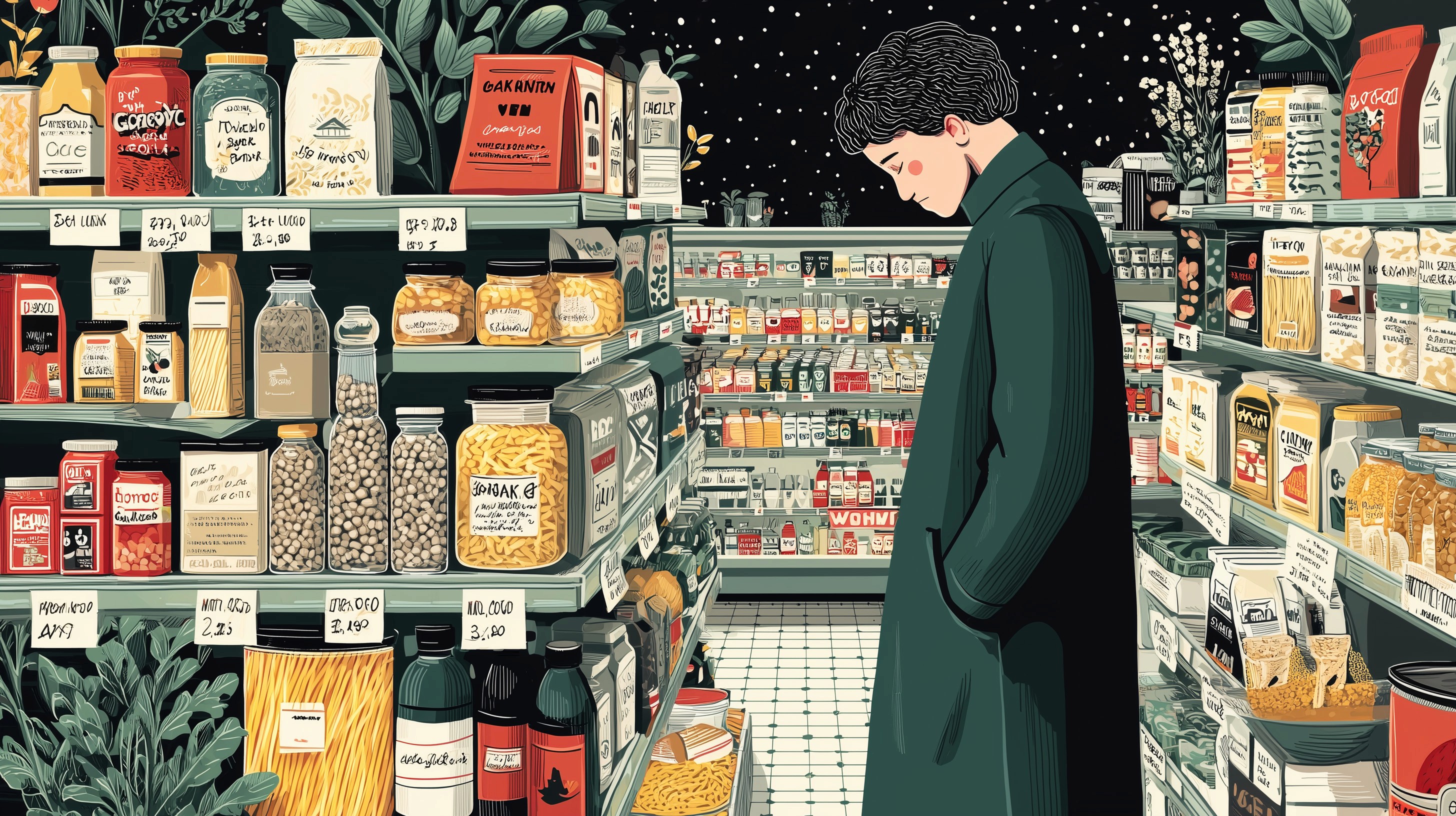
Last week we talked about gas prices. This week the story gets closer to home.
The same conflict that sent oil to $144 a barrel is now working its way into something more personal. The food on your table. The cost of your weekly grocery run. The quiet erosion of purchasing power that most people do not notice until it has already happened.
Financial shocks rarely arrive all at once. They travel in waves. The first wave is loud and obvious. The second one is slower, less dramatic, and for that reason far easier to underestimate. This is the second wave.
We are still watching.
$10 to $40 — The estimated monthly increase in a typical American household's grocery bill if fertilizer shortages persist through the planting season. Small enough to overlook. Large enough to matter over a year.
70% — How much more expensive urea fertilizer has become since the war began. Urea is the ingredient that makes crops grow. When its price moves this sharply, food prices follow within months.
4 out of 5 — The number of fertilizer factories in Bangladesh that have shut down due to lack of natural gas supply from the Gulf. This pattern is repeating across South Asia and parts of Africa.
$5 trillion — The total value of investments managed globally by Gulf sovereign wealth funds. That money is woven into stock markets, real estate and retirement funds that millions of Americans are connected to whether they know it or not.
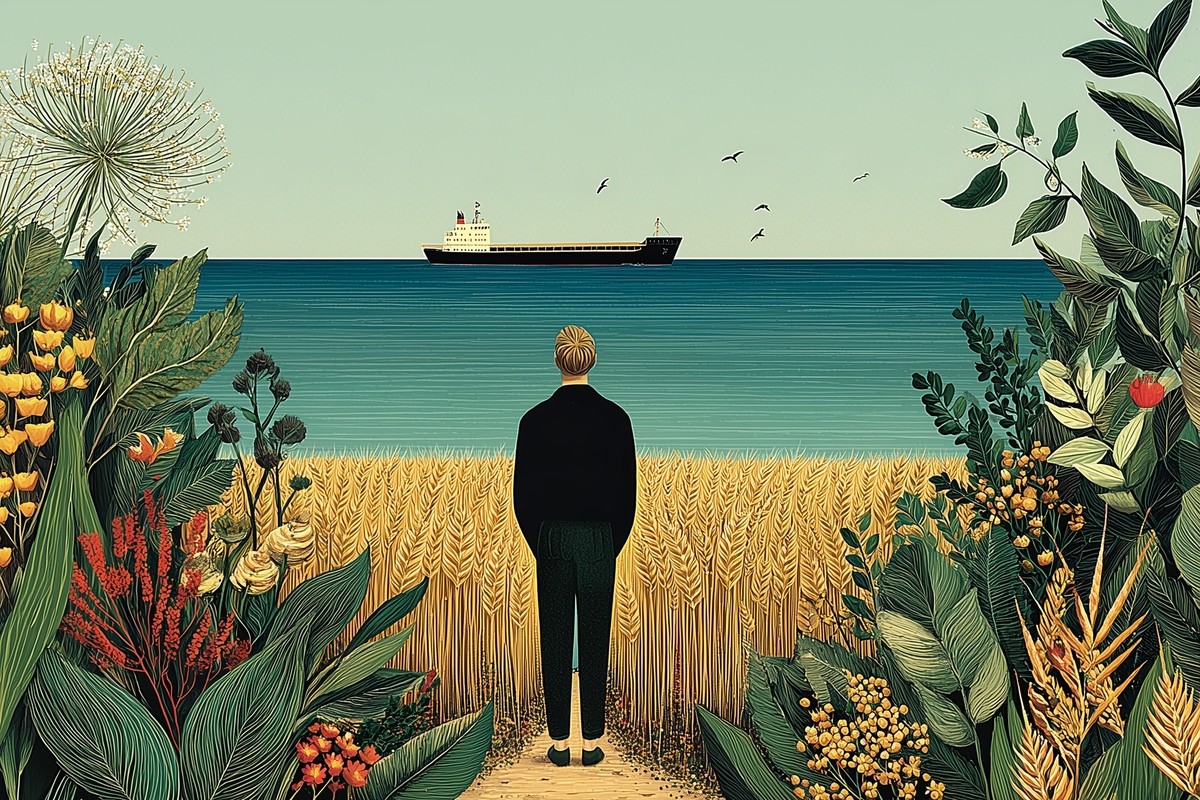
You may not have noticed it yet. But it is coming.
The conflict in the Gulf that pushed gas above $3 is now working through a second system, the global food supply chain, and the timeline is weeks, not months. Here is how it travels from a blocked waterway to your weekly grocery bill.
Growing food requires fertilizer. Fertilizer requires natural gas to produce. The Gulf supplies a significant portion of both. When Iran blocked the Strait of Hormuz, it did not just trap oil tankers. It trapped 1.9 million tons of fertilizer on 41 ships that may or may not still be there. It cut off the natural gas that fertilizer factories across South Asia and Africa depend on to operate. And it sent the price of the world's most widely used fertilizer up 70% in a matter of weeks.
Farmers are already responding. In the American Midwest, wheat growers are switching to soybeans because soybeans need less fertilizer and the math on wheat no longer works. In India, fertilizer plants are running at 70% of their normal capacity. In Bangladesh, four out of five fertilizer factories have shut down entirely. These are not warnings about what might happen. They are decisions already made.
When farmers plant less, or change what they plant, food output drops. When food output drops, grocery prices rise. The UN is projecting food price increases of more than 10% in multiple countries before the end of the year. For American households the immediate impact is more modest but still real, an estimated $10 to $40 more per month on groceries if the shortage persists through planting season.
That number sounds small. Spread across a year it is not. And for anyone living on a fixed retirement income, even modest increases in the cost of everyday essentials quietly shrink the lifestyle that income was designed to support.
The gas price increase was immediate and visible. This one is slower and easier to miss. That is exactly what makes it worth watching.

The second wave of a crisis rarely makes the front page. It shows up quietly, weeks later, in places you were not watching. A grocery receipt that is a little higher than last month. A utility bill that does not quite make sense. The slow erosion of purchasing power you had built your retirement around.
The best financial plan is not the one that predicted what happened this week. It is the one that was already built for it. Protection in place before the shock arrived, and a foundation solid enough that what happens in the Gulf does not determine what happens at your dinner table.
That is not luck. That is order.