What happened 7,000 miles away is already in your wallet
Six weeks. One blocked waterway. And a bill that is already on its way to you.
Six weeks. One blocked waterway. And a bill that is already on its way to you.
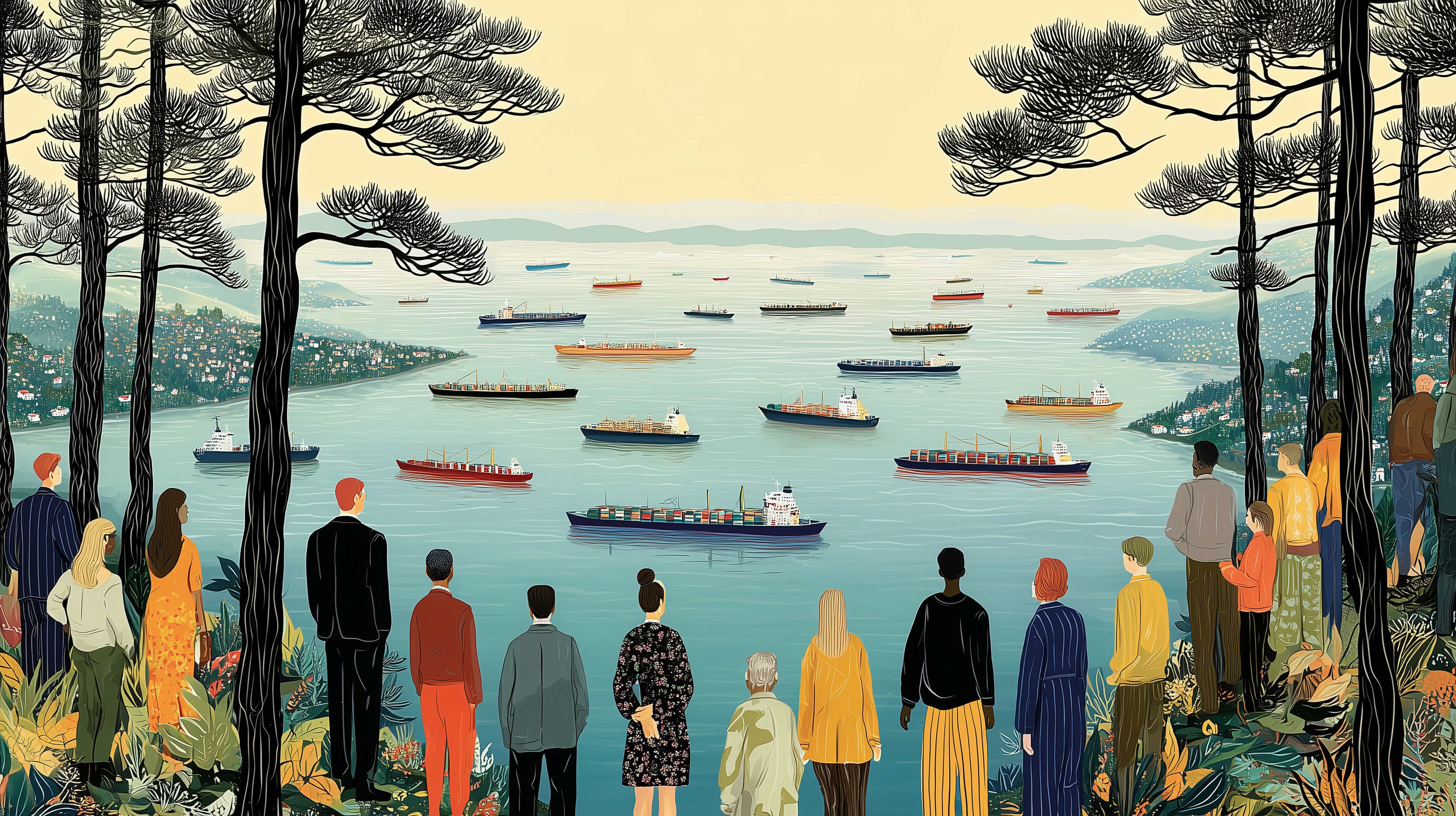
Most people think of their financial life as something separate from the world around them. The news is the news. Your money is your money. They don't mix.
This week reminded us how wrong that assumption is.
A conflict thousands of miles away sent oil to $144 a barrel, pushed gas prices above $3, and started a countdown clock on food prices that farmers from Indiana to India are watching with genuine concern. None of that happened in a vacuum. All of it is moving in the direction of your wallet, quietly, by default, whether you are watching or not.
That is exactly what we mean when we talk about finding the leaks in your economy. Some leaks are obvious. Others arrive dressed as world events. The discipline is learning to see both.
Dexter Pierce, Founder
$144 — The record high price per barrel of Brent crude, reached just hours before the ceasefire announcement on April 7th. It has since dropped to approximately $91. Markets remain on edge.
17% — The single-day drop in oil prices the moment Trump announced the ceasefire. That kind of volatility in a commodity that touches nearly every sector of the economy is not normal.
15% — The share of the world's oil supply trapped by Iran's blockade of the Strait of Hormuz for nearly six weeks. One waterway. One conflict. Ten percent of global oil demand disrupted.
30% — How much more expensive oil remains even after the ceasefire drop. The headline read relief. The number reads something more complicated.
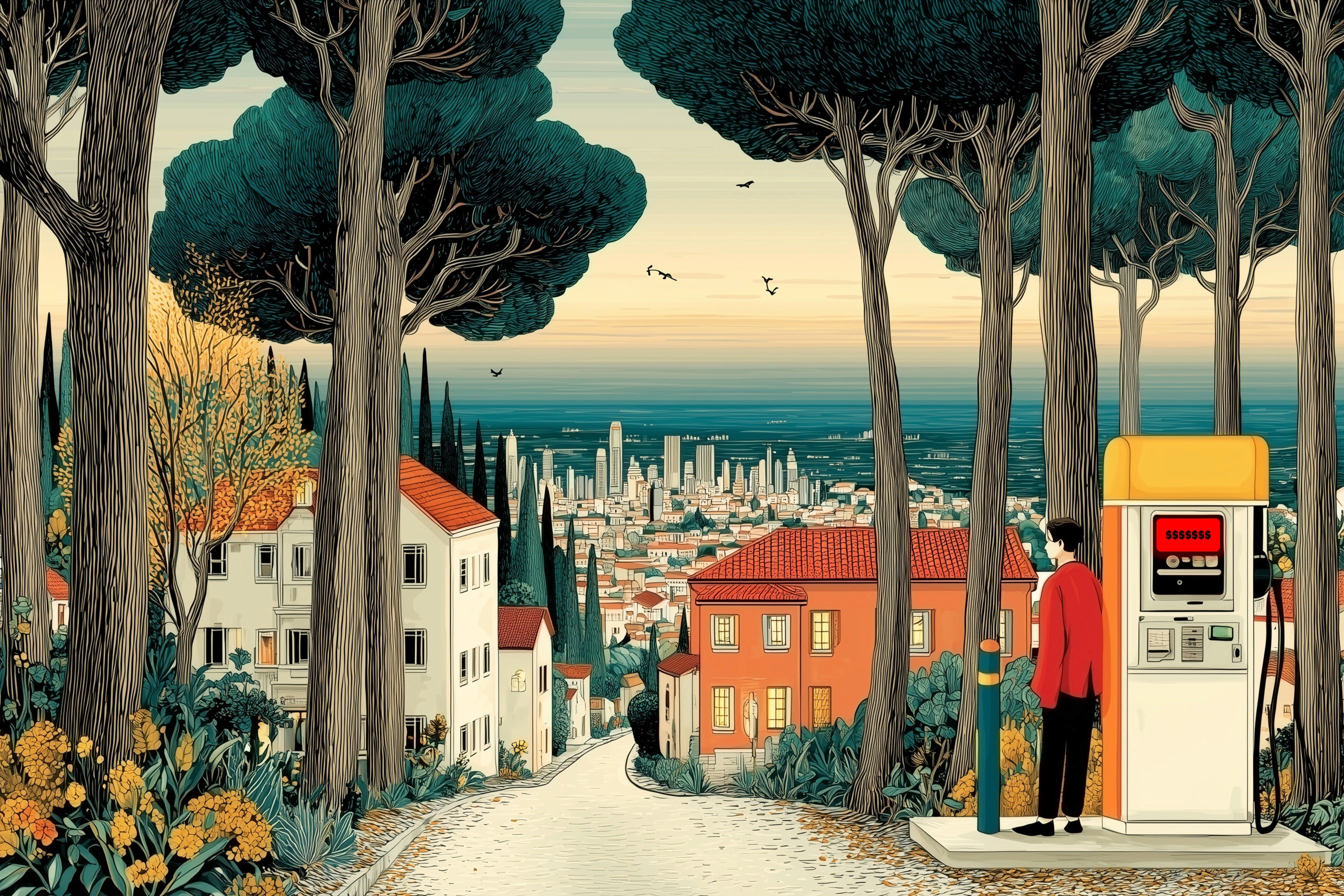
On February 28th, America and Israel struck Iran. Most people filed it under geopolitical news and moved on. Six weeks later it is showing up at the pump, the grocery store, and quietly in retirement portfolios built around the assumption that things would stay more or less stable.
Here is what actually happened and why it matters to your financial life.
Iran controls the Strait of Hormuz, a narrow waterway that roughly 15% of the world's oil and 20% of its liquefied natural gas passes through every single day. When Iran blocked it, the world's energy supply chain did not just slow down. It seized. Oil hit $144 a barrel. Gas prices climbed almost immediately. The global energy benchmark had not been this volatile since the start of COVID.
A ceasefire was announced April 7th, 90 minutes before Trump's stated deadline, and prices fell sharply. That felt like relief. It was not really.
Even with the ceasefire, 715 ships remain stranded in the Gulf. 187 oil tankers. 15 liquefied natural gas carriers. 41 vessels loaded with fertilizer. Some of the world's most critical energy infrastructure sustained damage that experts estimate will take three to five years to fully repair. Oil is still 30% more expensive than before the war began. The ceasefire stopped the bleeding. It did not close the wound.
This is precisely why the foundation of a financial plan matters more than the growth sitting on top of it. When the world delivers a shock like this, and it will again in forms no one predicted, the question is never whether you saw it coming. Nobody did. The question is whether your financial foundation was built to absorb it.
A plan designed around stable energy prices and predictable inflation is a plan built on opinion. The goal is to build one that holds regardless of what the world does next.

The world's biggest financial risks rarely announce themselves clearly. They usually arrive as something else first, a news headline, a foreign conflict, a supply chain story you scroll past. By the time they show up in your economy, the decision window has already narrowed.
The best financial plan is not the one that predicted what happened this week. It is the one that was already built for it, protection in place before the shock arrived, a foundation solid enough that what happens in the Gulf does not determine what happens in your retirement.
That is not luck. That is order.